|
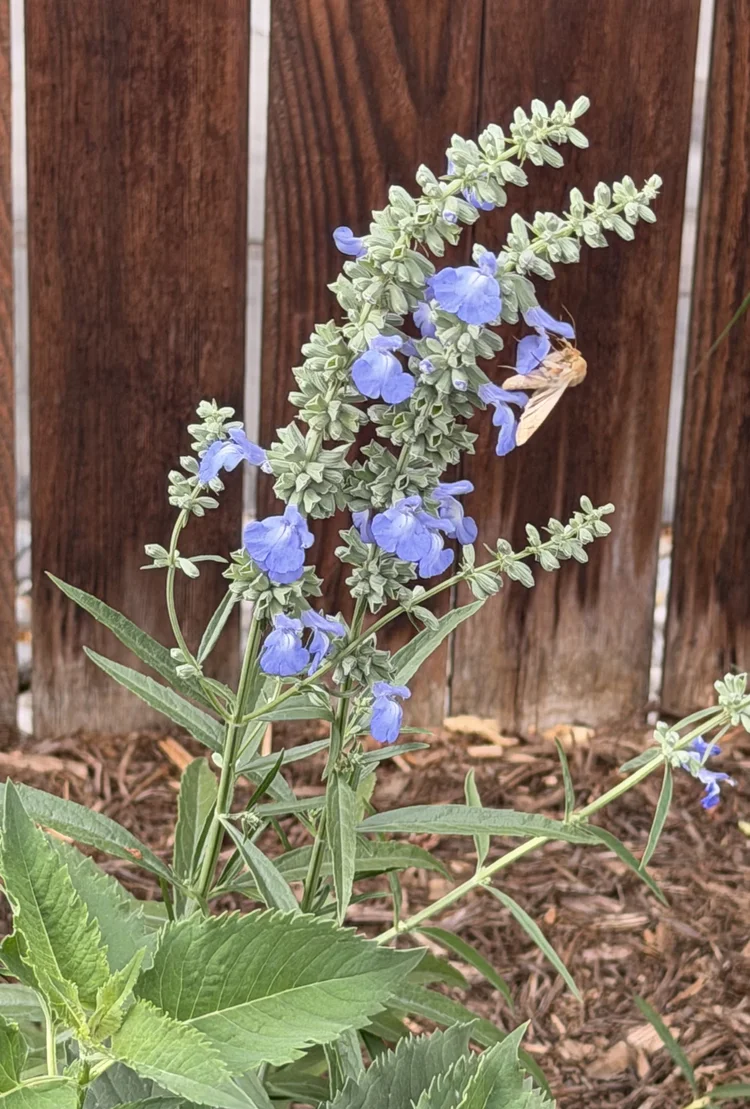
Dear friends, One of my favorite field trip topics is insects. It has taken me a few seasons as a naturalist to realize how special these field trips are, but now I appreciate their magic. First off, insects are easy to spot along trails. We have a great time with buggy safaris and get close-up views with hand lenses. Our larger wild neighbors, like bears and coyotes, rarely make even brief appearances. We go on to explore the vital roles these small but mighty creatures play in ecosystems, including pollination, decomposition, and being a source of food for myriad animals. Even grizzly bears depend on them! If a student still doesn’t think insects are cool by the end of the hike, hopefully they’ll know why insects are worth protecting. All that, plus insects boast some of the most amazing adaptations in the animal kingdom. Recently, I learned about the important discovery of an amazing and extremely strange insect adaptation. I was lucky enough to be part of a group that took a laboratory tour with the awe-inspiring entomologist Dr. Samuel Ramsey, recipient of the Marvin H. Caruthers Endowed Chair for Early-Career Faculty at the University of Colorado Boulder and a National Geographic Explorer. That day, he was eager to show us how his lab dissects Varroa mites (Varroa destructor). In 2019, Dr. Ramsey figured out how these mites kill honeybees. The mites feed on the bees’ fat bodies, weakening the bees and their immune systems. The mites also transmit deadly viruses to the bees. Now, his lab is looking for ways to stop the mites from killing honeybees. By dissecting the mites, they’ve found that female mites rapidly produce a single gigantic egg. Even a super insect mom doesn’t have the resources to create such an egg on her own. Instead, the moms steal the ingredients for their egg yolks from the bees. The researchers dubbed this never-seen-before process kleptocytosis. It gives scientists another process to try to disrupt in their quest to save honeybees, who provide billions of dollars in pollination services to North America every year. I left the tour even more stoked to share the wonders of insects with students, though I knew I wouldn’t be delving into kleptocytosis. Dr. Ramsey passed along another, more child-friendly idea. He emphasized that we can save native bees while also saving honeybees. In fact, we must do both! We can all help by planting pollinator-friendly plants, especially those native to our local areas. This summer, we had great fun tending and watching our new native garden come into bloom (see photo at top).
|